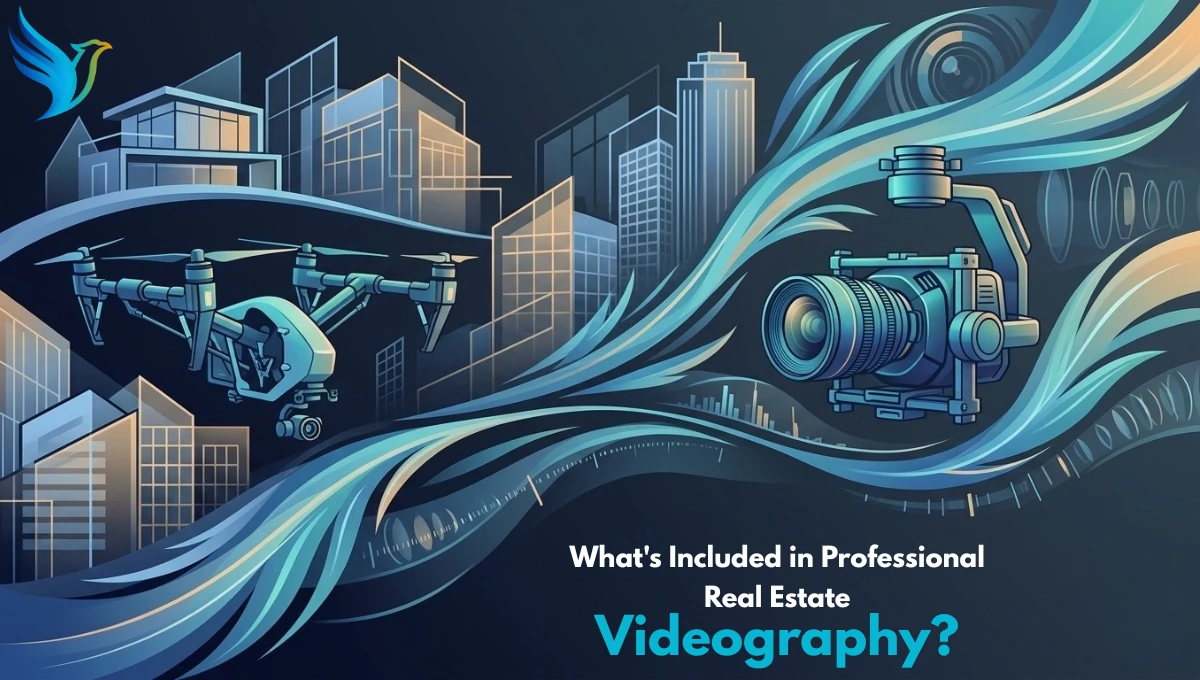
Selling a property takes more than showing its rooms and dimensions. Real estate videography Melbourne helps agents, property developers, and sellers showcase a property through engaging video that highlights its layout, features, atmosphere, and surrounding spaces. Professional videographers use carefully planned shots to give potential buyers a clearer view of the property before they decide to arrange a viewing.
But what does a professional property video actually include?
A well-produced real estate video involves much more than a camera operator walking through a house. Planning, property preparation, camera movement, lighting, aerial footage, editing, music, color correction, and delivery all influence the final result. For agents, developers, and property marketers, investing in professional real estate video production melbourne services ensures your listing stands out. Understanding what you are paying for makes it easier to compare videography options and choose the right production package.
What Is Real Estate Videography?
Real estate videography is the professional production of video content designed to showcase a residential or commercial property. Unlike a simple walkthrough recorded on a phone, professional property videography focuses on presentation, storytelling, composition, and marketing. The goal is to show the property in a way that gives prospective buyers a clearer sense of its layout, features, atmosphere, and surrounding environment.
A typical production may include:
- Pre-shoot planning
- Property preparation
- Interior and exterior filming
- Professional camera equipment
- Stabilised camera movement
- Aerial or drone footage where appropriate
- Video editing
- Colour correction
- Music or licensed audio
- Text overlays or branding
- Different video formats for digital platforms
The exact package varies between providers, so it is worth asking what is actually included before booking a shoot.
Ready to Create Content That Gets Noticed?
Turn your ideas into engaging visuals, videos, and creative designs that support your marketing goals.
Talk to Our Creative Team
What Does Professional Real Estate Videography Include?
Professional production usually covers several stages. Each one contributes to the final video rather than simply adding another feature to the package.
-
Pre-Shoot Planning
Good property videos start before the camera arrives.
The videographer should understand the property, its strongest selling points, the intended audience, and how the finished video will be used.
For example, a luxury home may benefit from slower cinematic movements and carefully planned exterior shots. A compact apartment might need tighter framing and a more efficient walkthrough that highlights functionality.
Planning can involve:
- Reviewing the property
- Identifying important features
- Planning the filming sequence
- Considering the best time for natural light
- Discussing the intended platforms
- Coordinating access to the property
This step matters because a video can look technically polished while still failing to highlight what makes the property attractive.
-
Property Preparation
The videographer can only work with what appears in front of the camera.
Before filming, the property should look clean, organised, and ready for presentation. Small details can make a significant difference once footage is captured.
Agents or property owners may need to:
- Remove unnecessary clutter
- Open suitable curtains and blinds
- Organise surfaces
- Hide bins and loose cables
- Prepare outdoor areas
- Turn on selected lights
- Remove distracting personal items
Professional videography does not replace property styling. Instead, it captures the property after it has been prepared properly.
-
Professional Interior and Exterior Filming
This forms the core of the production.
A professional real estate videographer considers camera height, framing, movement, lens choice, lighting, and the sequence of shots.
Interior footage may showcase:
- Living areas
- Kitchens
- Bedrooms
- Bathrooms
- Hallways
- Architectural details
- Storage
- Outdoor connections
Exterior footage can establish the property’s overall appearance, garden, entertaining areas, driveway, façade, or other relevant features.
The important point is not to film every corner simply because it exists. Strong property videography selects shots that help the viewer understand the property.
-
Smooth Camera Movement
Movement gives property video an advantage over a collection of photographs.
Handheld footage can feel distracting when the camera shakes or moves unpredictably. Professional productions often use stabilisation equipment and deliberate camera movements to create smoother transitions.
Common approaches include:
- Slow room reveals
- Controlled tracking shots
- Entrance sequences
- Movement from indoor to outdoor areas
- Detail shots
- Wider establishing shots
The movement should support the property rather than distract from it.
A common mistake is adding too much movement simply to make the video look cinematic. If every shot spins, slides, or moves rapidly, viewers can lose sight of the actual property.
-
Aerial and Drone Footage
For suitable properties, aerial footage can add useful context.
A drone can show:
- The property’s position within its surroundings
- Gardens and outdoor areas
- Large blocks of land
- Views
- Nearby landscape
- Building scale
- Access and surrounding streets
However, drone footage should not automatically be included in every property video.
Aerial footage makes more sense when the surroundings contribute to the property’s appeal. For an apartment where the exterior context adds little value, investing heavily in drone footage may not provide the same benefit.
Drone operations in Australia also need to comply with applicable aviation requirements, so property marketers should use appropriately qualified and compliant operators where required.
-
Video Editing and Storytelling
Raw footage is only the starting point.
The editor turns individual clips into a coherent property presentation. This involves selecting the strongest footage, arranging it logically, removing unnecessary shots, and creating a viewing experience that feels natural.
A typical sequence might move from:
Exterior → Entrance → Main living area → Kitchen → Bedrooms → Bathrooms → Outdoor spaces → Closing exterior shot
The exact structure should depend on the property.
Editing can also include:
- Transitions
- Music
- Text overlays
- Property details
- Agent branding
- Contact information
- Intro and outro graphics
The strongest edits usually feel simple. The viewer should concentrate on the property rather than noticing the editing itself.
-
Colour Correction and Image Finishing
Professional footage often requires colour correction after filming.
Different rooms can have different lighting conditions, while daylight and artificial lighting can produce different colour temperatures. Editing helps create a more consistent appearance throughout the video.
Colour correction can improve:
- Exposure consistency
- White balance
- Overall colour balance
- Contrast
- Visual consistency between shots
There is an important distinction between enhancing footage and misleading viewers.
A property video should present the property attractively without digitally changing features that a buyer would reasonably expect to see accurately.
-
Music, Voiceovers and On-Screen Information
Depending on the project, the final video may use background music, voiceover, captions, or text.
For example, text can identify:
- Number of bedrooms
- Key property features
- Location highlights
- Land size
- Special amenities
- Agent or agency information
Music can influence the pace and mood of the video, but it should match the property and audience.
A luxury property may require a very different tone from a modern apartment aimed at first-home buyers.
If a voiceover is used, the script should add information rather than simply describe what viewers can already see.
Real Estate Video Marketing: Where the Finished Video Goes
Creating a good property video is only one part of the marketing process.
The final content may be adapted for different platforms and placements.
A real estate video can support:
- Property listing pages
- Agency websites
- Social media
- Paid advertising
- Email campaigns
- Property presentations
- Landing pages
Different platforms may require different aspect ratios or durations. A horizontal property tour may work well on a website, while a vertical edit can suit mobile-first social content.
This is why you should discuss content delivery requirements before production, not after the video has already been edited.
What Should You Ask a Real Estate Videographer?
Before booking a service, ask exactly what the package includes.
A useful checklist includes:
| Service | What to Confirm |
| Filming | How long will the shoot take? |
| Equipment | What camera and stabilisation equipment will be used? |
| Drone | Is aerial footage included or charged separately? |
| Editing | Is professional editing included? |
| Music | Is licensed music provided? |
| Branding | Can agent branding be added? |
| Formats | Will you receive vertical and horizontal versions? |
| Revisions | Are editing revisions included? |
| Delivery | How will the finished files be delivered? |
| Usage | Can you use the video across your marketing channels? |
This prevents a common problem: comparing two apparently similar packages when one includes editing, drone footage, multiple formats, and revisions while the other does not.
How Much Does Professional Property Videography Cost?
There is no single price that applies to every property video.
Pricing can vary according to:
- Property size
- Location
- Shooting duration
- Production complexity
- Drone requirements
- Number of final videos
- Editing requirements
- Voiceover
- Turnaround time
- Additional formats
- Travel requirements
Instead of choosing a videographer solely by the lowest quote, compare the complete deliverable.
A cheaper package may become more expensive if you later need additional editing, social media versions, drone footage, or other services.
For Melbourne property marketing, ask providers to explain exactly what you will receive before agreeing to the project.
Common Mistakes That Reduce the Quality of Property Videos
Even professional equipment cannot fix every production problem.
Filming a cluttered property
Clutter competes with the property’s actual features and can make rooms appear smaller.
Showing everything without a clear sequence
A video should guide viewers through the property. Random shots can make the layout difficult to understand.
Overusing cinematic effects
Heavy transitions and excessive camera movement can distract from the home.
Ignoring the property’s surroundings
For some Melbourne properties, gardens, views, streetscapes, or nearby amenities form an important part of the story.
Creating only one format
A single video may not work equally well across websites, social platforms, and advertising placements.
Choosing equipment over production quality
A high-end camera does not automatically produce an effective property video. Planning, composition, lighting, movement, and editing still matter.
Is Professional Real Estate Videography Worth It?
It can be valuable when video genuinely helps communicate the property’s strongest selling points.
A large family home, architecturally distinctive property, luxury residence, development, or property with impressive outdoor surroundings may benefit significantly from video.
The key question is not simply:
“Do we need a property video?”
Ask instead:
“What can video communicate about this property that photographs and written descriptions cannot communicate as effectively?”
That answer should guide the production.
For agencies, video can also become part of a broader real estate video marketing strategy rather than serving as a one-time listing asset.
Frequently Asked Questions
What is included in professional real estate videography?
A professional package may include planning, interior and exterior filming, stabilised camera work, editing, colour correction, music, branding, and final video delivery. Drone footage and additional formats may be included depending on the provider.
Is drone footage necessary for every property?
No. Drone footage makes the most sense when the property’s land, views, architecture, location, or surroundings add meaningful context.
Can one property video be used on social media?
Yes, but the best approach depends on the platforms being targeted. You may need different aspect ratios, durations, or edits for different placements.
What makes professional property videography different from phone footage?
Professional production combines planning, composition, stabilised movement, suitable lighting, controlled filming, and post-production. The difference comes from the complete production process rather than the camera alone.
How should I choose a real estate videographer in Melbourne?
Look beyond the camera equipment. Review their previous property work, ask what the package includes, confirm delivery formats, understand revision policies, and make sure the final video suits your intended marketing channels.
Final Takeaway
Professional real estate videography involves much more than recording a walk-through. The strongest productions combine planning, thoughtful filming, controlled movement, editing, colour correction, and platform-ready delivery to present a property clearly and attractively.
If you’re considering real estate videography Melbourne services, start by identifying what the video needs to accomplish. Then compare providers based on their production process and final deliverables—not simply the number of features listed in a package.
For businesses that want to connect property video with a wider digital strategy, Feynix Solution provides digital marketing and advertising services covering content strategy, social media, paid advertising, lead generation, and remarketing.
Looking to build a stronger digital presence around your property or real estate marketing strategy? Contact Feynix Solution to discuss the type of content and digital support your business actually needs.
Strengthen Your Brand’s Reputation
From reputation management and PR content to customer feedback and brand collaborations, Feynix Solution helps businesses build lasting trust and market authority.
Author Bio
Muhammad Taha is an SEO Specialist at Feynix Solution, focusing on search engine optimization, content strategy, and helping businesses improve their online visibility through effective SEO practices.
View Feynix Solution team →
Feynix Solution Team