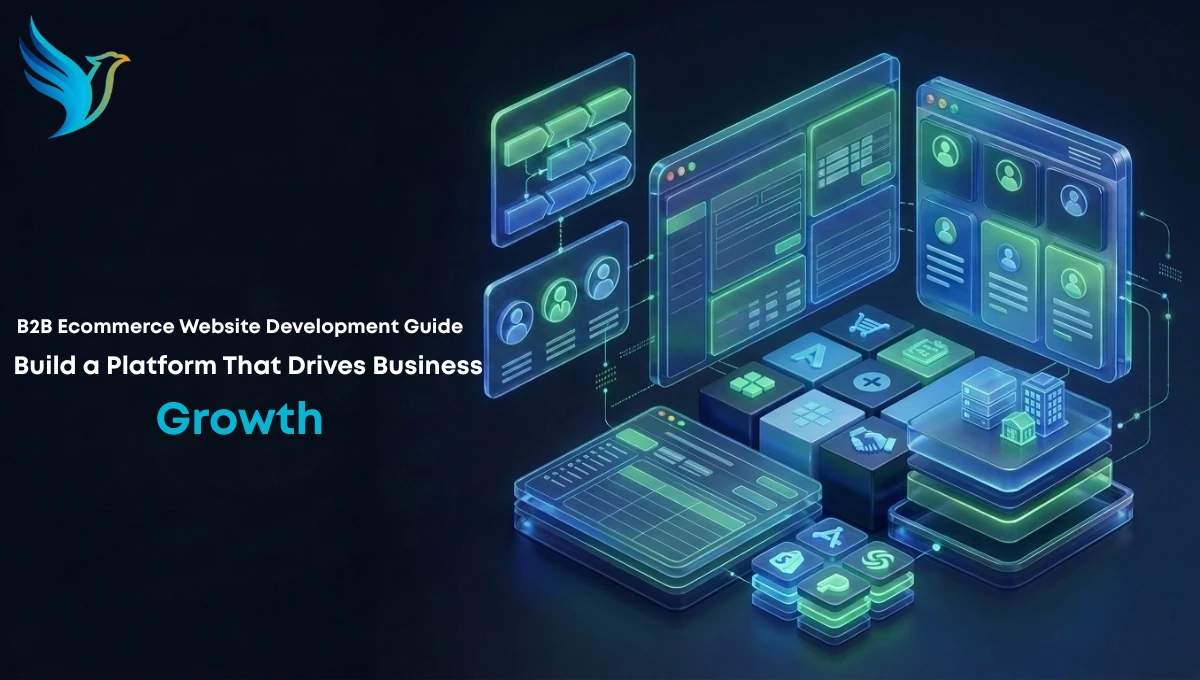
In today’s digital-first marketplace, businesses expect fast, convenient, and personalized buying experiences. Traditional sales processes that rely on phone calls, emails, and manual order management no longer meet the expectations of modern buyers. This shift has made B2B ecommerce an essential part of business growth and long-term success.
A well-designed B2B ecommerce platform helps companies streamline operations, improve customer experiences, and increase revenue. B2B ecommerce web development also requires careful planning to ensure the platform supports complex purchasing workflows and long-term business growth. However, building a successful platform requires careful planning, the right technology, and a deep understanding of business requirements. This B2B Ecommerce Website Development Guide will walk you through the key steps, features, and best practices needed to create a powerful ecommerce platform that drives growth and delivers measurable results.
Understanding the B2B Ecommerce Landscape
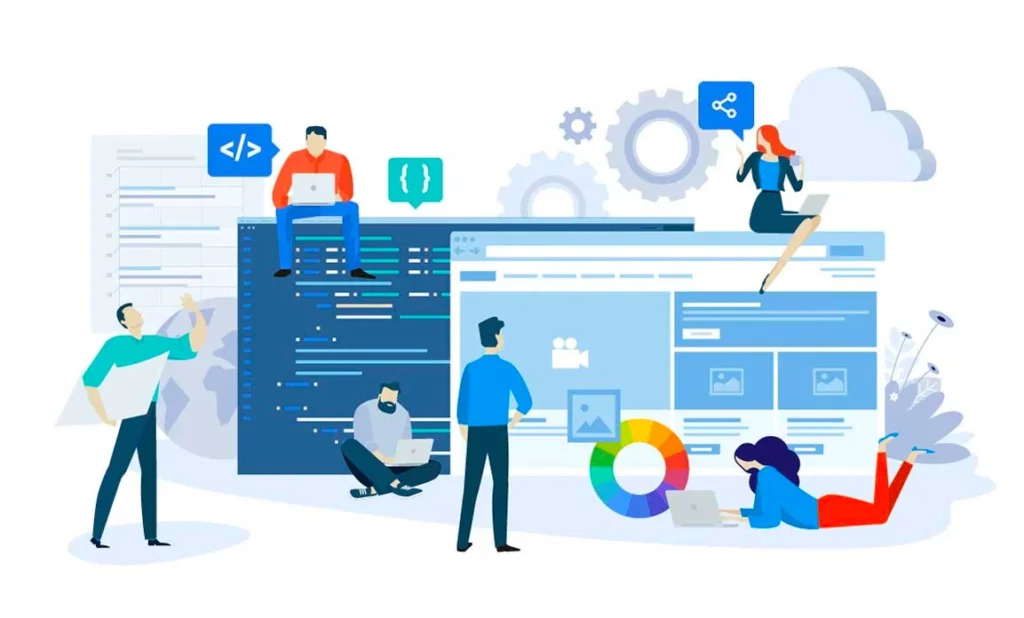
The digital transformation of business-to-business transactions is no longer a future trend; it is the current standard. Modern business buyers expect the same seamless, intuitive digital experiences they encounter as everyday consumers, but with the robust functionality required for complex corporate purchasing. Unlike B2C transactions, which are often emotional and impulsive, B2B purchasing is deliberate, budget-conscious, and multi-layered. Decisions frequently require approval from various stakeholders, including procurement managers, department heads, and finance teams. Therefore, your platform must accommodate these intricate workflows while maintaining a frictionless user experience. This is why many businesses invest in Custom Website Development Services to create tailored solutions that support their unique operational requirements and purchasing processes.
Step 1: Define Clear Business Objectives and Audience Personas
Before writing a single line of code, you must establish what you want your platform to achieve. Are you looking to reduce manual order processing costs, expand into new geographical markets, or increase the average order value (AOV) through personalized recommendations?
Simultaneously, you need to map out your target audience. In B2B ecommerce, you are rarely selling to a single individual. Your website must cater to various personas within a client organization:
- Procurement Officers: They value speed, order accuracy, contract compliance, and easy access to invoices.
- End Users/Technicians: They need detailed technical specifications, compatibility guides, and product manuals.
- Executives/Decision Makers: They look for long-term value, contract terms, and overall ROI.
Step 2: Choose the Right b2b ecommerce platform development
Selecting the foundational technology stack is a critical decision in B2B ecommerce web development and your B2B ecommerce website development guide. The architecture you choose determines your site’s speed, security, and ability to scale.
- SaaS (Software as a Service): Platforms like Shopify Plus or BigCommerce Enterprise offer rapid deployment and managed security, though they can sometimes limit deep customization.
- Open-Source Platforms: Options like Magento (Adobe Commerce) or WooCommerce provide total control over your source code, making them highly customizable but requiring significant development upkeep.
- Headless Commerce: This modern approach separates the front-end presentation layer from the back-end commerce engine. It offers unparalleled flexibility and speed, allowing you to deliver unique user experiences across different devices.
Determining which architecture fits your operational scale can be challenging. Working with an experienced development partner like Feynix Solution ensures you select a technology stack that supports your current volume while leaving room for future enterprise growth. Through professional Website Design and Development Services, businesses can build scalable, high-performing platforms that adapt to evolving market demands and long-term expansion goals.
Step 3: Prioritize Core B2B Functionalities
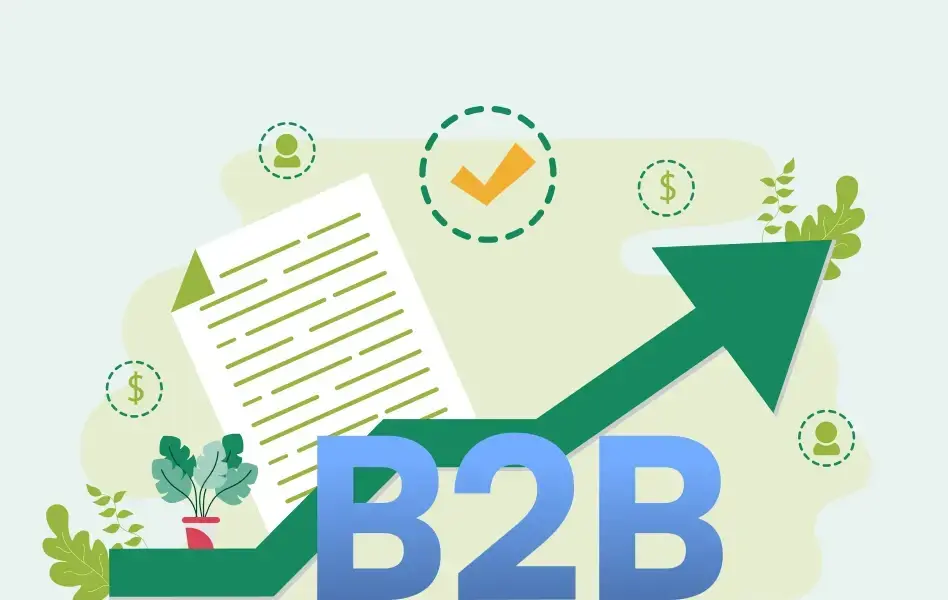
Effective B2B ecommerce web development goes beyond creating a standard online store. A standard shopping cart and checkout page will not suffice for business clients. To drive meaningful growth, your platform must integrate specialized B2B functionalities that replicate and optimize traditional sales workflows.
Corporate Account Management
Your website must allow client companies to create an organizational account with hierarchical user roles. For example, a purchasing manager should have the authority to approve orders, while a junior buyer can only add items to a cart.
Custom and Tiered Pricing
B2B relationships thrive on negotiated contracts. Your platform must dynamically display personalized pricing sheets, pre-negotiated discount rates, and volume-based tiered pricing depending on which client logs in.
Flexible Payment and Credit Options
Business buyers rarely pay exclusively via credit card. Your checkout process must accommodate traditional corporate payment methods, including:
- Purchase Orders (PO)
- Corporate credit lines and net-30/60 payment terms
- ACH and wire transfers
Bulk Ordering and Quick Reordering
Efficiency drives corporate buying. Implement features like “Quick Order” forms where users can input SKU numbers and quantities directly, or upload a CSV file to populate a massive cart instantly. One-click reordering based on order history is also vital for recurring supply chains. If you want to learn about the Website Development Checklist for Small Business, you can visit the page.
Step 4: Design an Intuitive, Frictionless User Experience (UX)
While B2B features are complex behind the scenes, the front-end user interface must remain clean and simple. Effective b2b ecommerce website design and development should balance complex functionality with a simple, intuitive user experience. A frustrating user experience will quickly drive clients back to traditional phone or email ordering, or worse, straight to a competitor.
- Advanced Search and Filtering: Implement robust, AI-driven search engines that handle typos, part numbers, and granular technical facets (e.g., dimensions, material, tolerance).
- Mobile Optimization: Business buyers research products on the go. Ensure your platform responds flawlessly across smartphones, tablets, and desktop configurations.
- Transparent Inventory Levels: Real-time visibility into stock availability across different warehouses prevents ordering delays and builds client trust.
Step 5: Integrate with Your Existing Tech Stack
Your ecommerce website should not operate as an isolated silo. To maximize efficiency and ensure data accuracy, it must integrate seamlessly with your core back-office systems.
Key integrations include:
- ERP (Enterprise Resource Planning): Syncs inventory levels, financial ledger data, and order fulfillment tracking.
- CRM (Customer Relationship Management): Helps your sales team track digital buyer behavior, manage leads, and step in to assist when a high-value cart is abandoned.
- PIM (Product Information Management): Centralizes and manages complex product data, ensuring accurate specs and translations across all digital channels.
Successful B2B ecommerce web development requires deep technical expertise, especially when connecting ERP, CRM, and PIM systems. Feynix Solution specializes in connecting fragmented back-office systems. If you want to learn more about Web Hosting vs Cloud Hosting, you can visit our page.
Step 6: Test, Launch, and Continuously Optimize
Before launching your platform to your entire client base, conduct rigorous testing. Run end-to-end user acceptance testing (UAT) to ensure that custom pricing rules fire correctly, payment gateways process corporate credit lines safely, and data flows smoothly to your ERP. Consider a soft launch with a select group of trusted clients. Gather their feedback, monitor site performance metrics, and refine the user interface based on real-world usage patterns. Post-launch, continuously analyze data regarding search queries, cart abandonment rates, and conversion funnels to identify areas for optimization.
Common Challenges in B2B Ecommerce Development
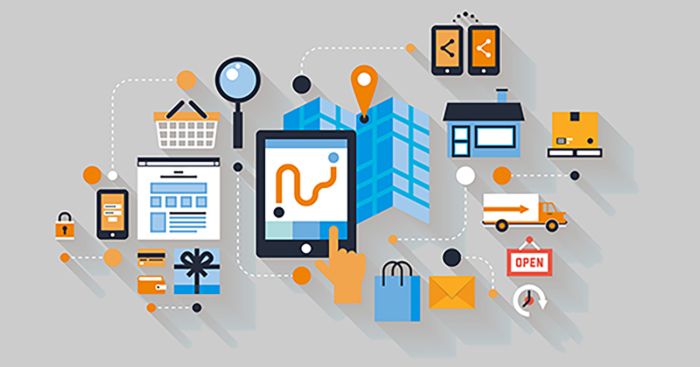
Building a B2B ecommerce platform can present several challenges.
- Complex Pricing Structures: Managing customer-specific pricing, discounts, and contracts requires careful planning and system flexibility.
- Data Integration Issues: Connecting multiple business systems can become complex without proper development expertise.
- User Adoption: Customers accustomed to traditional ordering methods may need guidance and support when transitioning to online purchasing.
- Security Requirements: Protecting customer data and financial information remains a top priority for any ecommerce platform. Addressing these challenges early helps reduce development risks and improve project outcomes.
How Feynix Solution Helps Businesses Succeed
- Feynix Solution develops B2B ecommerce platforms tailored to specific business goals.
- The company focuses on creating user-friendly experiences that improve customer satisfaction.
- Its solutions prioritize performance, scalability, security, and functionality.
- Feynix Solution helps businesses streamline operations and support sustainable growth.
- The team delivers custom ecommerce strategies that help companies stay competitive in the digital marketplace.
- Feynix Solution is your all-in-one growth engine, offering specialized services in SEO, Digital Marketing, Brand Growth, SaaS, and Custom Website Development tailored to scale your brand.
Customer Reviews
Michael Anderson, Texas, USA
Feynix Solution delivered a professional B2B ecommerce platform that improved our ordering process and customer experience.
Jennifer Wilson, California, USA
The team understood our business needs and created a platform that supports our growth goals.
David Thompson, Florida, USA
We saw better operational efficiency after launching our B2B ecommerce website developed by Feynix Solution.
People Also Asked
What is the main difference between B2B and B2C ecommerce development?
B2C platforms focus on fast, emotional, and individual sales. B2B ecommerce development builds systems for complex corporate workflows. These include multi-user company accounts, negotiated contract pricing, custom approval chains, and bulk-ordering capabilities.
How much does it cost to build a B2B ecommerce website?
Costs vary based on your system complexity, the chosen platform architecture, and integration needs. A basic platform can range from $20,000 to $50,000, while custom, enterprise-grade headless platforms with deep ERP integrations can exceed $100,000.
Can we integrate our existing ERP system with a new B2B ecommerce site?
Yes. Modern B2B development relies heavily on seamless ERP integration. Experienced agencies like Feynix Solution use robust APIs to connect your website with systems like SAP, NetSuite, or Microsoft Dynamics to sync inventory, orders, and customer data in real time.
Which ecommerce platform is best for B2B businesses?
The “best” platform depends on your business size and operational goals. Adobe Commerce (Magento) and Shopify Plus offer powerful, out-of-the-box B2B features. For maximum flexibility and speed, a customized headless commerce architecture is often the ideal choice.
How does a B2B ecommerce platform drive business growth?
It automates routine tasks like order entry and invoice processing, allowing your sales team to focus on high-value client acquisition. It also provides clients with 24/7 self-service options, reduces ordering errors, and opens up new digital market channels.
Conclusion
As digital transformation continues to reshape the business landscape, investing in B2B ecommerce web development has become a strategic necessity. A well-planned platform improves customer experiences, streamlines operations, and creates new revenue opportunities. This B2B ecommerce website development guide highlights the essential steps needed to build a platform that supports growth and delivers value to both businesses and their customers. By focusing on user experience, scalability, system integration, and performance, companies can create ecommerce solutions that drive measurable results. Feynix Solution helps businesses build scalable and reliable B2B ecommerce platforms that drive growth and long-term success.
Get Expert Help from Feynix Solution
Have questions about building a scalable platform, or want to fix performance issues on your current website? You can reach us anytime:
-
Email Us: info@feynixsolution.com
We respond quickly with practical, easy-to-follow technical strategies that actually accelerate your business growth.
Start Your B2B Development Journey
Visit our website and click Contact Us to share your project requirements. Our experts will analyze your current infrastructure and create a custom B2B ecommerce website development guide and execution plan tailored to your business goals.
Follow Feynix Solution for B2B Growth Tips
At Feynix Solution, we regularly share expert insights on enterprise web development, ERP integrations, and B2B ecommerce growth hacks. Follow us to stay updated:
About the author
The Feynix Solution Team consists of digital architects, engineers, and e-commerce strategists who specialize in building enterprise-grade B2B solutions. We transform complex corporate workflows into intuitive digital experiences that accelerate revenue, automate backend operations, and foster long-term client loyalty.